
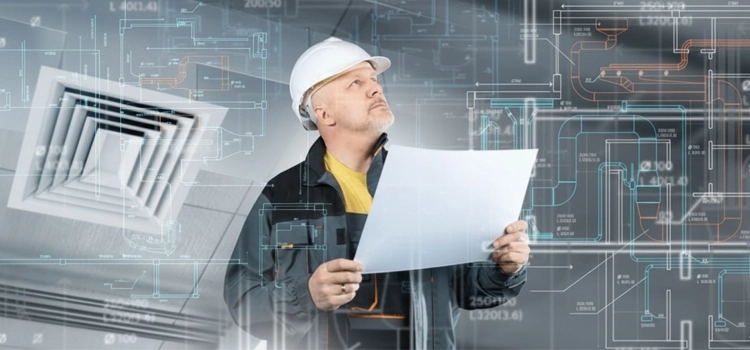
In modern construction, Mechanical, Electrical, and Plumbing (MEP) systems play a crucial role in a building’s performance. However, MEP design often faces challenges such as coordination issues, clashes with architectural or structural elements, and costly rework on-site. This is where Building Information Modeling (BIM) has completely transformed the process.
BIM for MEP brings efficiency, accuracy, and seamless coordination across multiple disciplines, ensuring that projects are delivered faster and with fewer errors.
What Is BIM for MEP?
BIM for MEP refers to the use of 3D intelligent models to plan, design, coordinate, and manage all mechanical, electrical, and plumbing systems in a building.
Unlike traditional 2D drawings, BIM allows teams to:
- Visualize complex system layouts
- Detect conflicts early
- Improve documentation
- Enhance collaboration among all stakeholders
Why Coordination Is Important in MEP
MEP systems share limited space within ceilings, shafts, and service zones. Poor coordination can lead to:
- Pipe or duct clashes with beams and slabs
- Conflicts between electrical cable trays and mechanical ducts
- Rework during installation
- Project delays and increased cost
BIM eliminates these issues through detailed clash detection and coordinated 3D models.